60–80%
Makkah Central Area
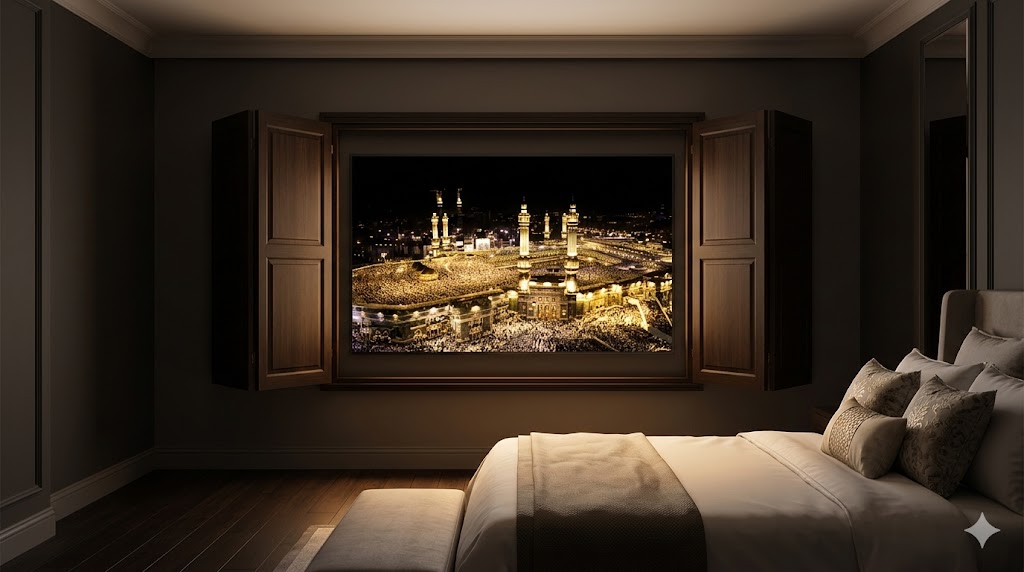
Zero view. Zero premium.
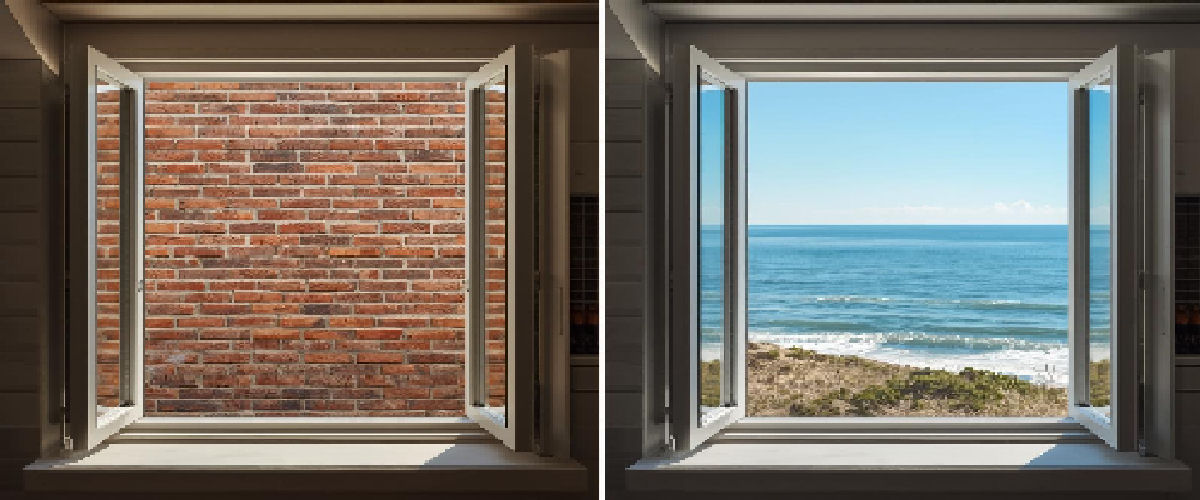
Rooms look into structural airshafts, service corridors, or brick walls of adjacent high-rises. 98% have zero direct view of the Holy Kaaba.
Economic impact: Forced deep price cuts outside peak weeks, severe complaints during Ramadan and Hajj.
30–40%
Oceanfront Resorts
Back-facing. Blocked. Undersold.
Back-facing structural wings face car parks, loading bays, delivery corridors, or highway entrances — not the sea.
Economic impact: 20–40% revenue loss per key from inability to capture "oceanfront" premiums.
50–60%
Urban & Business Hotels
Curtains drawn. Sentiment down.
Interior atrium views or low-level urban density blocks. In desert climates, guests keep curtains drawn to preserve cooling — sealing off whatever view exists. The room becomes a dark box, regardless of the vista outside.
Economic impact: Negative sentiment, reduced repeat bookings, room claustrophobia complaints.
+15%
Office & Executive Spaces
Productivity lost behind sealed windows.
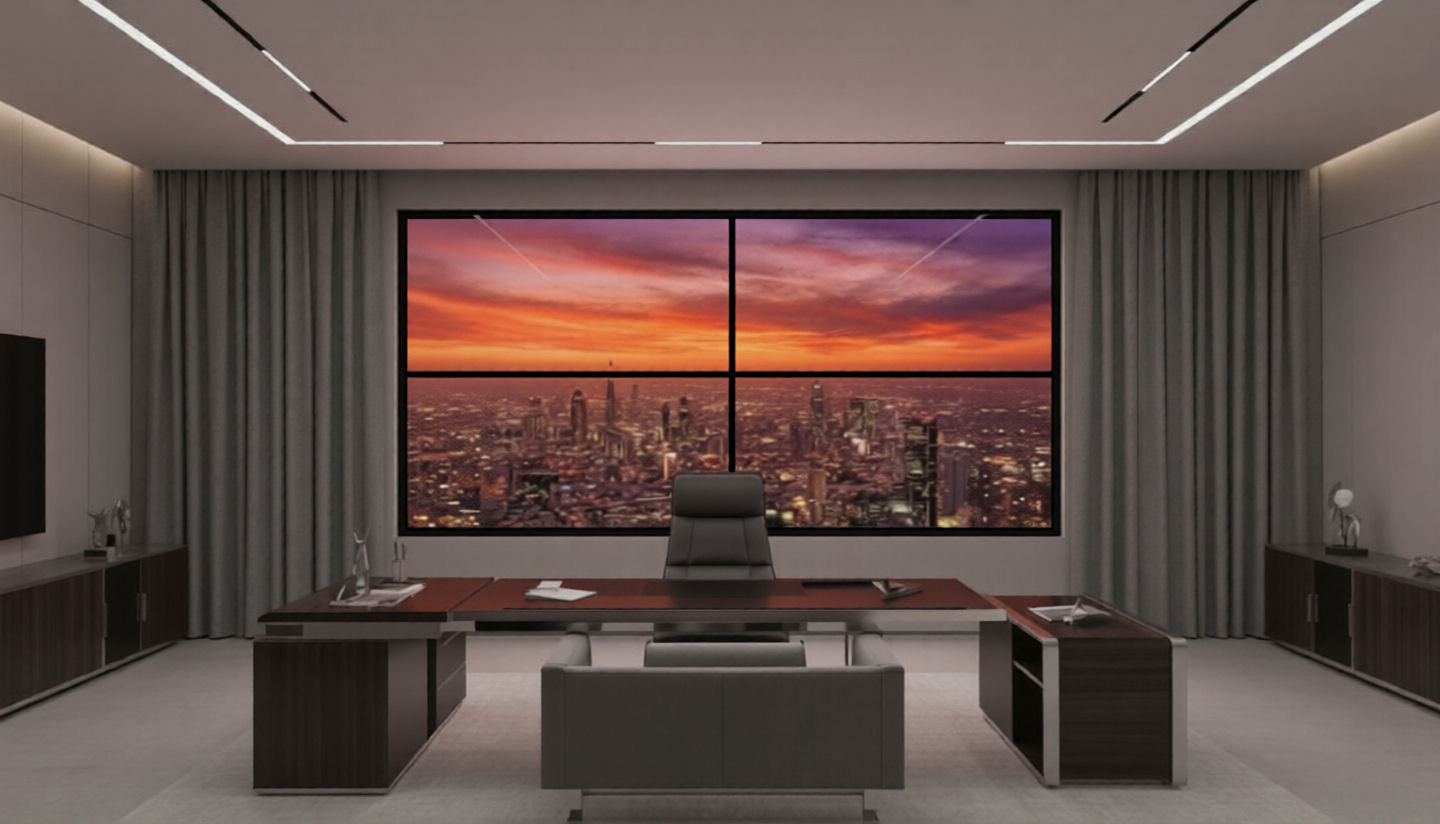
High-rise towers: sealed windows, AC-controlled air, and a view lottery. On an executive floor of 20 offices, only 3 or 4 face the skyline. The rest overlook atriums, airwells, or neighbouring concrete. Multiple studies confirm that nature views boost productivity by 15%[2] and reduce eyestrain by 51%[3].
Economic impact: Measurable productivity losses across every desk without a view.
30%
Healthcare
Faster recovery. Less pain. Fewer complaints.
Patients with a view of nature recover faster, need less analgesia, and report lower anxiety. Yet most hospital rooms — exam bays, recovery wards, ICUs — have no window at all or face an airwell.
Economic impact: Shorter stays, lower medication costs, better patient satisfaction scores.
—
Private Residences
The view your home deserves.
Basement suites, interior bedrooms, city apartments that look into neighbouring windows — millions of homes have no connection to the outside. A digital window transforms the feel and marketability of any interior space.
Value impact: Higher property desirability, improved occupant wellbeing.
Percentage ranges are AuraViews estimates based on property-level analysis across target markets. — Request the full methodology